








Phone Gimbals for Smooth, Stabilized Video
Smartphone gimbals deliver motorized stabilization that phone tripods cannot match, enabling cinematic video even when you're moving. Whether you're vlogging, filming action content, or capturing dynamic walk-and-talk footage, a gimbal transforms shaky handheld recordings into professional-looking video with three-axis electronic stabilization. These compact tools fit in a backpack yet rival the results of much larger video equipment, making them essential for mobile content creators.
Phone gimbals use three-axis motors to counteract camera shake, tilt, and rotation in real time. Unlike traditional tripods that lock your phone in place, gimbals actively adjust during movement, keeping your subject framed and sharp regardless of walking speed, uneven terrain, or hand tremor. This active stabilization works while you're filming, not just when stationary, opening creative possibilities for dynamic content that would be impossible to shoot with a static support.
Motorized gimbals also enable programmed movements like push-in shots, automated panning, and smooth parallax effects that usually require camera dollies or cranes. Combined with smartphone autofocus and digital zoom, these features let solo creators produce multi-camera cinematography on a tight budget. Many gimbals include object tracking, keeping your subject centered even as you move around them.
Key Features of Smartphone Gimbals
Modern smartphone gimbals share core functionality while varying in design and capabilities. Understanding these features helps you choose the right stabilizer for your workflow.
- Three-axis motorized stabilization (pan, tilt, roll) for shake-free video
- Object tracking and subject recognition for hands-free framing
- Programmable motion modes including push-in, panorama, and hyperlapse
- 8-16 hour battery life per charge on most models
- Foldable or compact design for transport in backpacks or bags
- Smartphone clamps that accommodate devices 2.2 to 3.5 inches wide
- Bluetooth connectivity for wireless app control and remote triggers
- Quick-release mounts for fast phone attachment and removal
- Built-in fill lights on some models for improved lighting during low-light capture
- Wireless charging or USB-C charging depending on model
- Weight typically 200-400 grams for portable handheld gimbals
- Proprietary wireless connections on some models for extended range control
Gimbal Types and Design Approaches
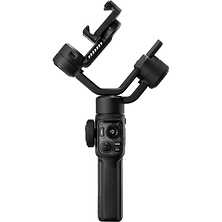
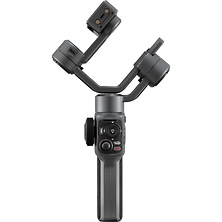
Smartphone gimbals come in several distinct formats, each suited to different shooting scenarios. Handheld gimbals feature a grip handle and three visible motor arms, resembling miniature video equipment. These models offer the most direct control and precise framing adjustments. The pistol-grip design keeps your hand steady while motors handle vibration compensation, and most include extension rods or mounting points for external lights and microphones.
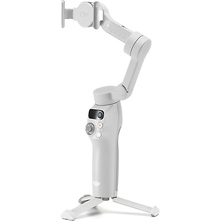
Compact folding gimbals collapse to pocket size for travel and run-and-gun shooting, with motors folding alongside the handle when not in use. These designs prioritize portability over accessory compatibility. The motorized arms extend when you unfold the gimbal and power it on, taking just seconds to get ready for recording.
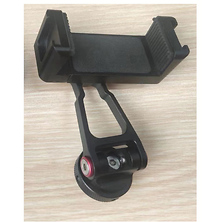
Some creators prefer stabilization solutions that pair a traditional phone mount with a gyroscopic stabilizer body rather than full motorized three-axis control. These alternatives deliver shake reduction through balance and mechanical design rather than electronic motors, offering longer battery life but less active compensation.
Autofocus, Tracking, and Creative Movement
Modern gimbals ship with smartphone apps that unlock advanced features beyond basic stabilization. Object tracking keeps your subject centered as you move around them, useful for solo creators filming themselves or tracking moving subjects without manual panning. Face detection prioritizes human subjects, especially important for interview and vlog setups.
Motion modes automate camera movements for cinematic effect. Timelapse mode records frames at intervals while the gimbal holds steady framing. Hyperlapse combines motion with interval recording for dramatic sweeping shots. Panorama mode lets you sweep the gimbal smoothly across a scene while the camera captures a wide combined image. These programmed movements eliminate the need for manual adjustment between takes.
When your subject is stationary, lock mode freezes the gimbal position so your phone stays exactly where you framed it, useful for interviews, product shots, or podcasting. Panoramic mode enables wide establishing shots by slowly panning across a scene while recording continuously.
Battery Life, Charging, and Portability
Battery runtime varies by gimbal weight and motor intensity. Most handheld gimbals deliver 8 to 16 hours of continuous operation per charge, easily lasting a full shooting day. Lightweight folding models sometimes deliver 10 to 12 hours. USB-C charging is standard, though some older models use proprietary charging docks or batteries that charge separately.
Extended shoots benefit from spare batteries, which typically cost 20 to 40 percent of the gimbal's retail price. Many creators carry two charged batteries and swap between them, eliminating downtime. Some gimbals support power banks for charging during a shoot, though drawing power while the gimbal is operating may slow charge speed.
Weight matters during extended handheld filming. Most smartphone gimbals weigh 200 to 350 grams, light enough to hold for hours without fatigue. Heavier motorized models with more powerful stabilization may reach 400 to 500 grams. When combined with a smartphone, a typical setup remains under 700 grams, substantially lighter than traditional video equipment.
Who Uses Smartphone Gimbals
Content creators across platforms depend on gimbals for production quality that rivals professional equipment. YouTubers film vlogs, tutorials, and documentary-style content with smooth handheld footage. TikTok creators use gimbals for dance videos, comedy sketches, and travel content where movement and transitions define the visual style. The motorized stabilization lets them execute complex shots solo without a camera operator.
Vloggers filming on location benefit from the compact design and quick setup. A gimbal packs into a day bag and deploys in seconds, fitting the rapid-fire production pace of travel vlogging. Live streamers use gimbals to capture action content and gaming footage with professional stability. Podcasters sometimes pair gimbals with phones for video editions of audio content, positioning the phone at eye level while the gimbal ensures steady framing during talking-head segments.
Musicians and concert videographers capture performance footage with fluid camera movement that conveys energy without shaky, amateur-looking handheld work. Real estate videographers use gimbals to create walkthrough content of properties with smooth, controlled movement. Corporate trainers and educators film instructional content where clear, stable framing keeps viewers engaged.
Frequently Asked Questions About Smartphone Gimbals
How Much Does a Quality Smartphone Gimbal Cost
Entry-level smartphone gimbals start around 100 dollars and deliver solid three-axis stabilization and basic object tracking. Mid-range models between 150 and 300 dollars add features like extended battery life, better stabilization algorithms, built-in lights, and more responsive control. Professional-grade gimbals above 300 dollars offer advanced tracking, extended accessories, and proprietary wireless connections. Budget is less important than matching the gimbal's features to your specific content style.
Do Smartphone Gimbals Work with Any Phone Size
Most gimbals accommodate smartphones between 2.2 and 3.5 inches wide, which covers the majority of iPhones and Android flagships. Some models include wider clamps for larger devices, while others work best with phones on the smaller side. Always check the gimbal's clamp width specification against your phone's width. Cases add thickness but usually fit within standard clamp tolerances. For unusually large phones or protective cases, verify compatibility before purchasing.
Can I Use a Gimbal with External Lights and Microphones
Yes, most handheld gimbals include 1/4-inch threads or mounting points for attaching external accessories. Compact LED panels fit easily via standard mounts, improving lighting for indoor or low-light recording. External microphones connect directly to your smartphone's headphone jack or USB-C port, independent of the gimbal. Weight considerations apply: gimbals have maximum payload specifications. Adding lights and a microphone rarely exceeds these limits, but verify the combined weight before mounting.
What's the Difference Between a Gimbal and a Phone Tripod
Phone tripods hold your device stationary, delivering rock-solid framing for sitting shots like video calls, interviews, and stationary vlogging. Gimbals actively stabilize during movement, enabling walk-and-talk footage, dynamic transitions, and action content. Tripods have no batteries, cost less, and last indefinitely. Gimbals require charging but deliver results impossible with tripods. Many creators own both and choose based on the specific shot: tripods for stationary content, gimbals for movement.
How Do Gimbal Object Tracking and Autofocus Work Together
Gimbal tracking uses the smartphone's front or rear camera and the gimbal's motors to keep a detected subject centered in frame. The gimbal's software identifies faces, bodies, or objects and adjusts pan and tilt accordingly. Meanwhile, your phone's autofocus system keeps the subject sharp. Together, these systems let you film moving subjects while staying focused and centered without manual adjustment. Results improve in good lighting and when the subject contrasts clearly from the background.
Shop Smartphone Gimbals at Samy's Camera
Phone gimbals deliver motorized stabilization and creative control that transforms smartphone video from amateur-looking to professional quality. Whether you're starting your first YouTube channel, producing corporate video content, or creating social media material daily, a gimbal extends your creative possibilities without requiring expensive camera equipment. Samy's Camera offers smartphone gimbals from trusted brands, fast shipping, and expert support to help you find the right stabilizer for your creative workflow.