






























Video Monitors & Viewfinders for Professional Film and Video Production
Video monitors and viewfinders are essential tools for filmmakers, videographers, and content creators who demand accurate image representation on set. These displays provide larger viewing areas than built-in camera screens, offering critical features like focus peaking, waveform displays, false color, and zebras that help you evaluate exposure and sharpness in real time. Whether you're shooting a documentary, running a multi-camera production, or creating content for YouTube, the right monitor can transform how you work.
On-camera monitors range from compact 5-inch field displays designed for mirrorless cameras to large 7-inch and 10-inch models suited for< a href="https://www.samys.com/c/Digital-Cinema-Cameras/2/760.html">digital cinema cameras and professional camcorders. Many models combine monitoring with recording capabilities, capturing footage directly to internal media in professional codecs like Apple ProRes and ProRes RAW.
Types of Video Monitors
Understanding the different categories of video monitors helps you select the right tool for your production workflow.
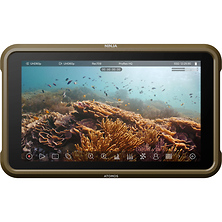
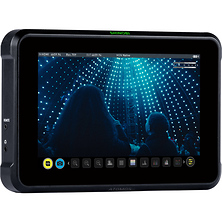
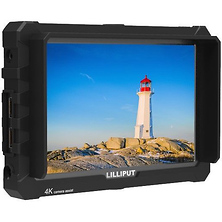
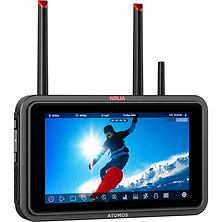
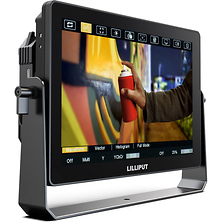
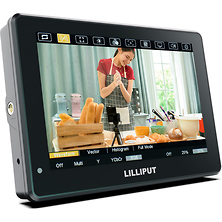
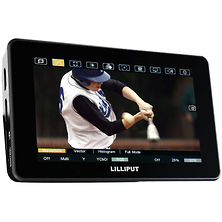
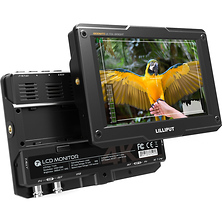
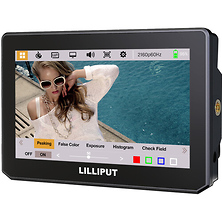
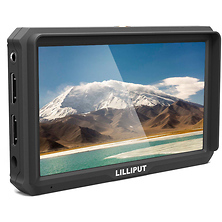
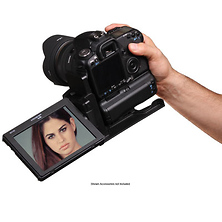
Field Monitors mount directly to your camera via hot shoe or articulating arm. Field monitors from brands like Atomos and Lilliput provide sharp 1080p or higher resolution displays with HDR support, touchscreen controls, and scopes for exposure analysis. These are ideal for run-and-gun shooting, interviews, and solo filmmakers who need to confirm focus and framing without relying on a camera's rear LCD.
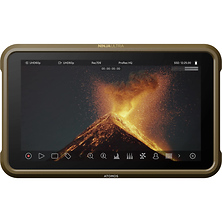
Monitor-Recorders combine display functionality with internal recording. Monitor-recorders from Atomos capture video in ProRes or RAW formats, bypassing internal camera compression for higher quality masters. These units accept HDMI or SDI signals and record to fast SSD or CFexpress media, making them popular with documentary shooters and narrative filmmakers working with cameras that output RAW over HDMI.
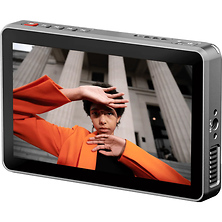
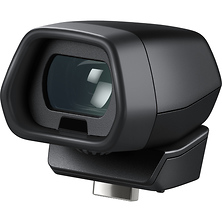
Electronic Viewfinders (EVFs) attach to cinema cameras to provide an enclosed viewing experience. Blackmagic Design offers EVFs for their cinema camera lineup, giving operators a larger OLED display with dedicated status readouts while blocking ambient light for precise focus and exposure evaluation.
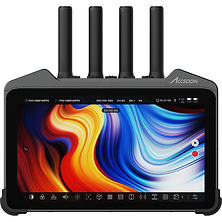
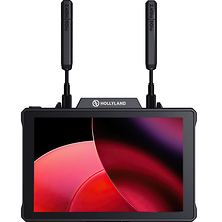
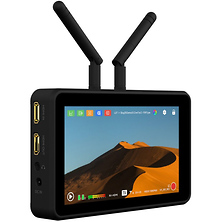
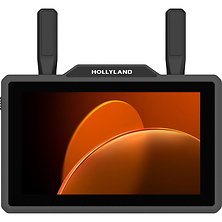
Wireless Monitors integrate video receivers directly into the display, eliminating cable runs between camera and director. Models from Hollyland and Vaxis enable multiple receivers to view the same feed simultaneously, which is useful for multi-person crews where the director, focus puller, and client all need their own screens.
Key Features to Consider
When choosing a video monitor, several specifications affect real-world usability.
Brightness is measured in nits (cd/m²). Outdoor shooting requires at least 1000 nits to remain visible in daylight. High-brightness HDR monitors with 1500 to 2200 nits offer clear visibility even in direct sunlight, while standard 500-nit displays work well indoors or under controlled lighting.
Resolution determines image sharpness. Full HD (1920 x 1080) remains standard for most field monitors, though some larger displays offer 4K panels. Higher resolution is most noticeable on 7-inch screens and larger.
Connectivity includes HDMI, SDI, or both. HDMI is common on mirrorless cameras and consumer camcorders. SDI provides secure locking connections preferred on professional sets where cable runs may be longer. Look for loop-through outputs if you need to daisy-chain to additional displays or recorders.
Color Accuracy matters for cinematographers who need to evaluate grading on set. Monitors with Rec. 709 and Rec. 2020 coverage, hardware LUT support, and factory calibration provide dependable color representation. Some models include built-in waveform, vectorscope, RGB histogram, and false color modes.
Matching Monitors to Your Workflow
Solo Creators and Vloggers benefit from lightweight 5-inch monitors that mount easily without adding significant weight. Units with touchscreen menus and direct camera control (via LANC or USB) streamline one-person operation.
Documentary and Event Shooters often choose monitor-recorders for their ability to capture backup footage or record higher-quality codec versions than internal camera recording allows. ProRes recording to SSD media provides reliable performance with fast offload times.
Narrative Productions and Commercial Sets typically deploy larger monitors for focus pullers and directors. 7-inch SDI monitors with high brightness, waveform displays, and wireless receiver integration support professional workflows where multiple crew members need real-time video feedback.
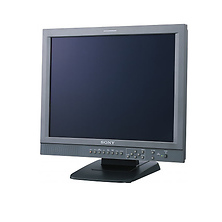
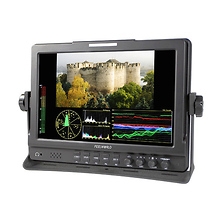
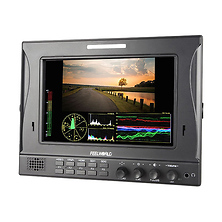
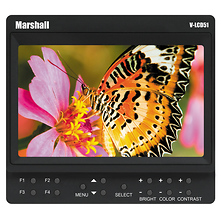
Multi-Camera Productions use monitors for preview and program output at switcher stations. Rack-mount monitors from TVLogic, Marshall Electronics, and Lilliput display multiple feeds for live switching scenarios, broadcast trucks, and control rooms.
Accessories for Video Monitors
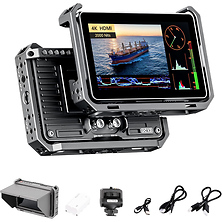
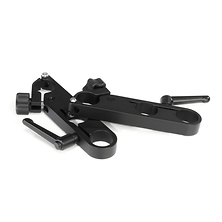
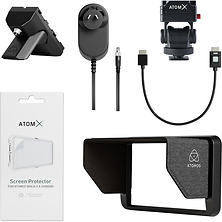
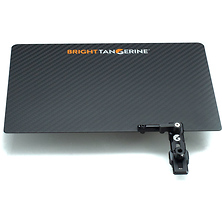
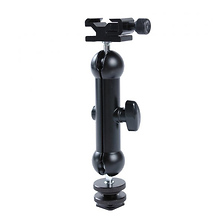
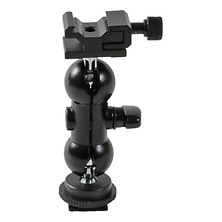
Complete your monitoring setup with the right support gear. Articulating arms and cold shoe mounts position your monitor at comfortable viewing angles without blocking camera controls. Sun hoods shield the display from ambient light, improving visibility outdoors. Accessory kits from Atomos include protective screens, locking HDMI cables, and mounting brackets designed specifically for their monitors.
Power options include NP-F style batteries, V-mount plates, and D-Tap connections. Many monitors accept multiple battery types through interchangeable plates, letting you match power to your existing video production batteries.
Popular Video Monitor Brands
Atomos builds monitors and monitor-recorders designed for content creators and professional filmmakers. Their monitors and monitor-recorders are widely used with mirrorless cameras, and their ProRes and ProRes RAW recording support extends the capabilities of cameras from Sony, Canon, Nikon, and Panasonic.
Blackmagic Design offers EVFs and monitoring solutions tailored to their cinema camera lineup, providing dedicated control and status readouts alongside sharp OLED displays.
Lilliput produces affordable field monitors with professional features like SDI connectivity, touchscreen interfaces, and high-brightness panels. Their monitors range from compact 5-inch units to large 10-inch displays suitable for client viewing.
Hollyland and Vaxis specialize in wireless video monitors that combine transmission and display in single units, reducing cable clutter on set while maintaining broadcast-quality signal.
Shop Video Monitors & Viewfinders at Samy's Camera
Samy's Camera carries a full selection of video monitors and viewfinders for every production style, from compact on-camera displays for solo shooters to professional SDI monitors for broadcast and cinema workflows. Pair your monitor with gimbals for stabilized motion, video lighting for controlled exposure, or camera accessories to complete your production kit. Our team has hands-on experience with these tools and can help you select the right monitor for your camera, workflow, and budget.